

Prefer to listen?
This post is based on an episode of The Glow Up Guide Podcast. Press play below to listen, or keep scrolling to read the full article.
Welcome!
I never thought my screen time was that bad.
Until I saw I was spending 5 hours a day on my phone.
That’s five hours I could have spent creating content, writing episode scripts, applying to scholarships, cleaning, or learning a new skill.
Instead, those hours disappeared into mindless scrolling.
That was the moment I realized my phone was controlling more of my time than I ever intended.
So I decided it was time for a digital detox.
If you’ve been feeling like your phone is taking over your life too, here are the five strategies that actually helped me.
What’s a Digital Detox?
A digital detox is a conscious break from devices like your phone, social media, or computer.
It isn’t extreme or permanent. Instead, it’s about becoming more intentional with how you use technology.

Strategy 1: Set Clear Boundaries With Your Phone
A great way to set boundaries with your phone is to designate clear times for when you use technology.
For example, you probably go on social media all the time. Instead, try saying you will check your socials once in the morning and once in the evening.
Start with boundaries that feel realistic, like no phone during meals or the first thirty minutes after waking up.
When you stop checking your phone on impulse, you start using it on purpose.
Strategy 2: Turn Off Non-Essential Notifications
Almost all scrolling sessions start because of a notification. You hear the ding and then you just want to check that one thing.
Before you know it, three hours are gone.
Turning off the non-essential notifications is one of the easiest ways to regain control of your attention.
You don’t need to know every time someone likes your post, leaves a comment, or sends another random notification.
Keep the ones you really need and care about, like calls, texts from close friends, or school/work.
Without those constant interruptions, you’re much less likely to open your phone out of habit.
Strategy 3: Use Built-In Tools on Your Devices
You may not even realize how much time you are actually spending on your phone because you don’t bother checking.
I thought I was spending hardly any time on my phone last summer.
Turns out I was spending 14 hours a week on Instagram.
Seeing the numbers in front of me made it impossible to ignore.
That’s when I decided to delete the app.
Almost overnight, I had more time for hobbies, friends, and things I actually wanted to do.
Take thirty seconds right now and check your screen time. You might be surprised by where your time is actually going.
If you’re trying to be more intentional with your time this summer, check out my realistic summer routine that actually works for simple habits that can help you spend less time on your phone and more time actually living your summer.
Another helpful tool is Do Not Disturb. Blocking notifications for a set period of time will allow you to actually do things without constant distractions.
If you don’t get notifications, there won’t be any real need to check your phone. That’s how you cut your screen time down.
Strategy 4: Make Scrolling Harder
Our phones are convenient by design. That’s exactly why we reach for them without thinking.
If you want to spend less time scrolling, adding even small inconveniences can make a huge difference.
A huge one for me was deleting social media apps. After realizing I was spending so much time on Instagram last summer, I deleted the app.
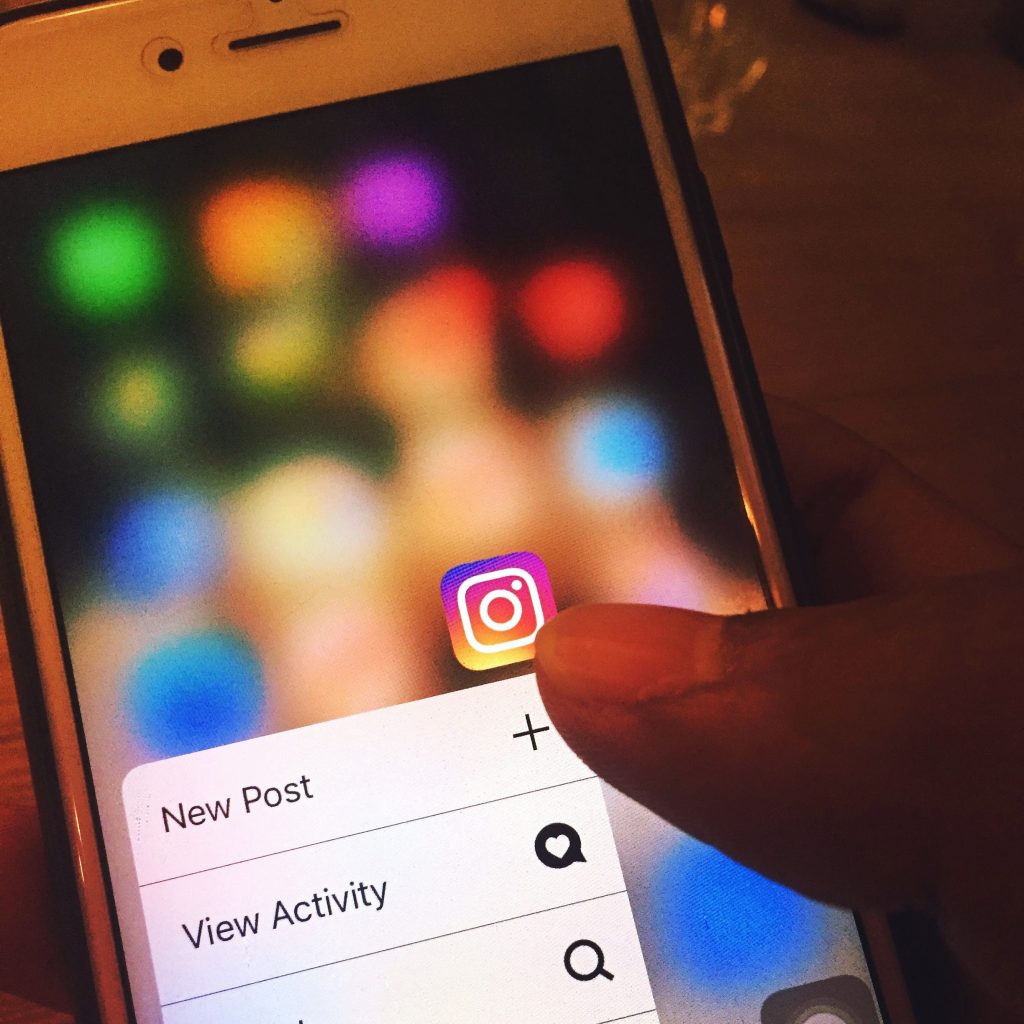
I didn’t even miss it. If anything, my life was noticeably better after cutting back on social media usage.
Deleting social media sounds scary, but remember that you aren’t deleting your account. If you need it later, you can always reinstall the app.
If deleting the apps feels like too much, try using the browser version instead.
It’s slower, less convenient, and less appealing. That’s exactly the point.
The extra seconds it takes to load gives you a chance to stop and ask yourself whether you actually wanted to check Instagram or whether you just opened it out of habit.
If it’s slightly harder to access, you’ll do it less.
Strategy 5: Replace Scrolling With Something Else
Reducing your screen time is only half the battle. The harder part is deciding what fills the space you just created.
Boredom is the trigger that causes us to pick up our phones for instant entertainment.
If you remove scrolling but add nothing, you’re bound to fall back into your old habits.

Fill that time with hobbies you’ve always wanted to try or old ones you’ve forgotten about.
If you’re not sure what to do instead of scrolling, check out my anti-doomscroll bucket list with 100 fun things to do instead of scrolling for plenty of screen-free ideas.
Unlike scrolling, hobbies ask you to participate instead of just consume. Before you know it, an hour has passed without thinking about your phone once.
If I were to replace even a fraction of those five hours with hobbies, I would have finished the scrapbook I started last summer.
The goal isn’t to leave empty space in your day.
It’s to fill that space with something you’ll actually remember.
Realistic Expectations
A digital detox isn’t about banishing technology from your life completely.
It’s about becoming more intentional with how you use it.
I still spend hours scrolling sometimes. But now that I do it less often, I have naturally become more aware of where my time is going.
Slip-ups are a part of the process.
The real goal of a digital detox isn’t perfection. It’s awareness.
Conclusion
Don’t let your teenage years disappear into endless scrolling. Fill them with moments you’ll actually remember.
I can’t get those five hours back.
But I can choose how I spend the next five.
So can you.
Leave a Reply