

Welcome!
How many times have you said “I’ll do it when I feel motivated”?
And how many times did the motivation actually come?
We always have things to do, from homework to projects to sports, and we always say we’re going to do it once we feel motivated.
Then you wait.
And wait.
But the motivation never comes.
What’s The Problem?
Motivation is definitely helpful, but it’s incredibly unreliable.
If you only work towards your goals when you feel like it, you’re going to make almost no progress.
The solution isn’t to magically become motivated all the time.
It’s learning to start even when you aren’t.
Step 1: Understand Why You Keep Waiting for Motivation
Before you can quit relying on motivation, you need to understand why you rely on it so much to begin with.
There’s a cycle.
You have a goal.
You feel excited about it.
You make a plan.
Your motivation fades.
You stop following the plan.
You think you need more motivation.
You wait for it to come back.
And repeat.
This cycle is incredibly common. I do this all the time. But just because it’s common and everyone does it doesn’t mean we should do it too.
The “Tomorrow” Trap
You always tell yourself you’ll start tomorrow.
Or Monday.
Or next month.
Or when you’re not busy.
There’s always something blocking you from just starting today.
We seem to think of “tomorrow” as this magical day when the treasure trove of motivation finally unlocks and we can do anything.
That could not be further from the truth.
The problem is that tomorrow is rarely as different from today as we imagine it will be.
You will still be tired.
You will still be busy.
You will still have distractions.
You will still have days where you don’t feel like doing anything.
But the goal isn’t to find a day where you’ll magically feel ready.
It’s to learn how to make progress on any ordinary day.
Step 2: Stop Asking “Do I Feel Like It?”
This is an evil question.
Motivation is an emotion. When every task depends on your mood, you have to make the same decision every single day.
“Do I feel like doing this?”
Sometimes the answer is yes.
More often than that, the answer is no.
If you always listen to that answer, your progress becomes completely dependent on your emotions.
So instead of asking “Do I feel like doing this?”, ask “What did I decide I want to do?”
That’s a much better question because it brings you back to your priorities.
You don’t have to feel like studying, writing, cleaning, working, whatever it may be.
You already decided those things matter to you.
So you’re gonna do them.
Important Note
This doesn’t mean you ignore your feelings.
You shouldn’t ignore exhaustion, the need to take a break, or the fact that you have just had the worst day in the world.

Discipline isn’t pretending to be a robot.
It’s learning to tell the difference between when you actually need to rest and not feeling like doing something because it’s uncomfortable or boring.
That’s a really important difference.
Step 3: Make Starting So Easy You Can’t Talk Yourself Out of It

The hardest part of doing anything is starting.
If the task feels gigantic, your brain immediately wants to do anything in its power to avoid it.
Instead of thinking that you need to study for three hours, try telling yourself, “I’m going to study for twenty minutes and go from there.”
It’s as simple as that.
The One-Minute Rule
This is a strategy I use all the time when I don’t feel like doing something.
Whenever you start to tell yourself that you don’t want to do something big, tell yourself you’re going to do it for just one minute instead.
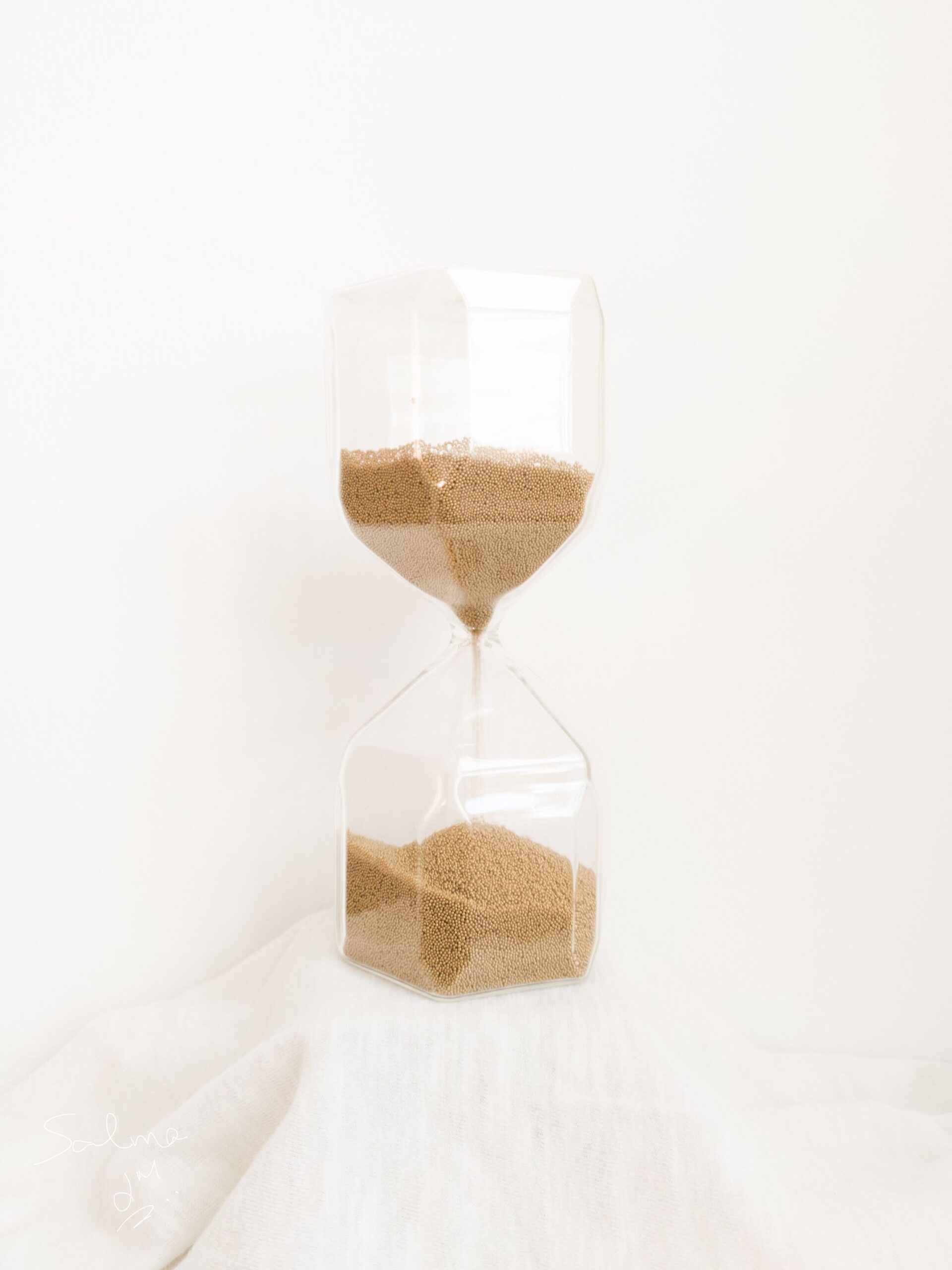
One minute is so small, it feels stupid to still not do it.
Start studying for one minute.
Work out for one minute.
Clean your room for one minute.
After one minute, you can stop.
But more often than not, you’ll realize that stopping is harder than continuing.
The point isn’t to trick yourself into doing hours of hard work.
It’s to break that barrier between thinking about doing something and actually doing it.
Step 4: Stop Waiting for the Perfect Time
We always tell ourselves we need to wait for the “right time.”
But that time just never comes.
Life is almost never perfectly convenient, especially as a teenager with four million things to do every single day.
The Mindset Shift
Instead of asking yourself “When will I finally have enough time?”, ask yourself “What can I realistically do with the time I have?”

It doesn’t matter whether you have five minutes or an hour.
A small amount of progress is still progress.
Step 5: Remove the Things That Make Starting Harder
Shockingly enough, sometimes the problem isn’t that you’re lazy.
The problem is that you’ve made the thing you’re trying to do unnecessarily difficult to start.
If you want to study, put your phone away, get your notes out, and clear your desk.
It’s as simple as that.
We can’t rely entirely on willpower to fight distractions.
Change your environment to support the goals you’re working towards.
The less effort it takes to start, the less motivation you need.
Step 6: Understand That Motivation Often Comes AFTER You Start
We think we need motivation to take action and then make progress.
But more often than not, it’s actually taking action that leads to progress, which builds up more motivation.
You don’t want to clean your room.
But you put five things away anyway.
Your room looks a bit better.
Now you feel more accomplished.
You keep going.
Notice how you weren’t motivated to begin with. You took action, created progress, and built momentum.
Don’t always wait for motivation to start.
Sometimes you have to start to find motivation.
Step 7: Don’t Turn One Bad Day Into a Bad Week
One missed day doesn’t mean you’ve failed.
If you spill a tiny bit of water, it doesn’t mean you dump the entire glass.
So what if you miss one study session?
You might think you’ve already messed up, so you skip the day after and the day after that.
One missed day became a missed week.
So reframe it.
If you miss a day, start again the next day.
Because consistency isn’t about never falling off.
It’s about learning how to come back after you fall off.
Step 8: Remember Why You Started
Maybe you wanted to get better grades, be more confident, or build a healthier routine.
Whatever it may be, you have to ask yourself: why?
When motivation disappears, it’s easy to focus on how annoying and hard the process is.
You forget why you wanted what you’re working towards.
Sometimes reminding yourself of the bigger picture helps you reconnect with the reason you’re doing the work.
My goal for the upcoming cross country season is to break 25 minutes for a 5K.
Every time I don’t want to run, I remind myself of this goal, and I’m out running anyway.
I remember why I’m doing this.
Your “why” isn’t a magic motivation button.
It’s a little reminder of why the discomfort is worth tolerating.
Conclusion
You don’t need more motivation.
You need to learn how to start small, follow through, and come back when you fall off.
Motivation is what gets you started.
Discipline is what keeps you going.
And you don’t build discipline by becoming a machine.
You build it every time you say you don’t feel like doing something and do it anyway.
Leave a Reply